Surface-level understanding
Students received the correct answer quickly but often missed the logic or evidence behind it.
Build trust and transparency
Show verified academic sources so students can understand where the AI explanation comes from.
Gauth by ByteDance · Shipped 2024
In 2024, I worked as a UX researcher and product designer at ByteDance’s AI division, Gauth, translating student research into two shipped product directions.
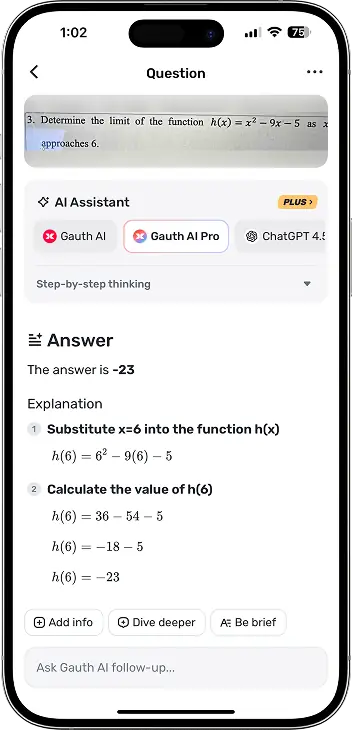
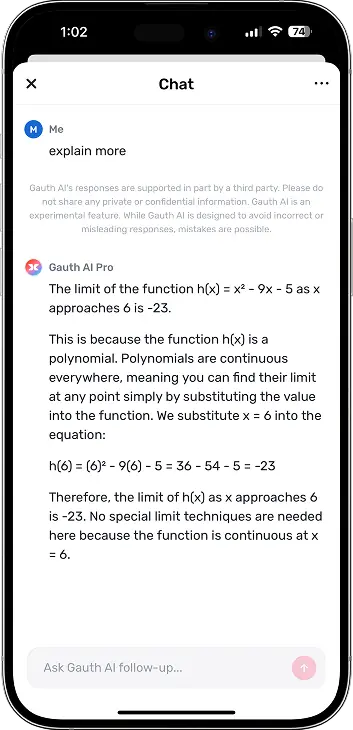
Gauth helps middle-school, high-school, and college students solve academic problems through instant feedback, step-by-step explanations, and personalized recommendations. The goal was to shorten problem-solving time while supporting independent learning and critical thinking.
I led discovery through product definition, turning 50+ student interviews into two shipped product directions.
The research focused on the moments when students moved from solving a problem quickly to actually understanding it.
Workload, confidence, and the pressure behind instant help.
Where students reviewed reasoning or stopped engaging.
What made AI guidance understandable and verifiable.
One learning loop revealed where speed helped and where understanding broke down.
Across 50+ interviews, the same tension appeared: efficiency brought students in, but transparency and structure determined whether they kept learning.
The opportunity was not simply to provide more information, but to help students understand where an answer came from and how their learning was progressing.
Students received the correct answer quickly but often missed the logic or evidence behind it.
Show verified academic sources so students can understand where the AI explanation comes from.
Scattered practice made it difficult to focus on weak areas or understand progress by topic.
Organize ACT and SAT questions around key concepts to support systematic practice and mastery tracking.
Smart Source Retrieval added multiple layers of verification for humanities subjects. Gauth retrieves academic sources, displays supporting evidence beside the answer, and connects reasoning with historical or conceptual context.
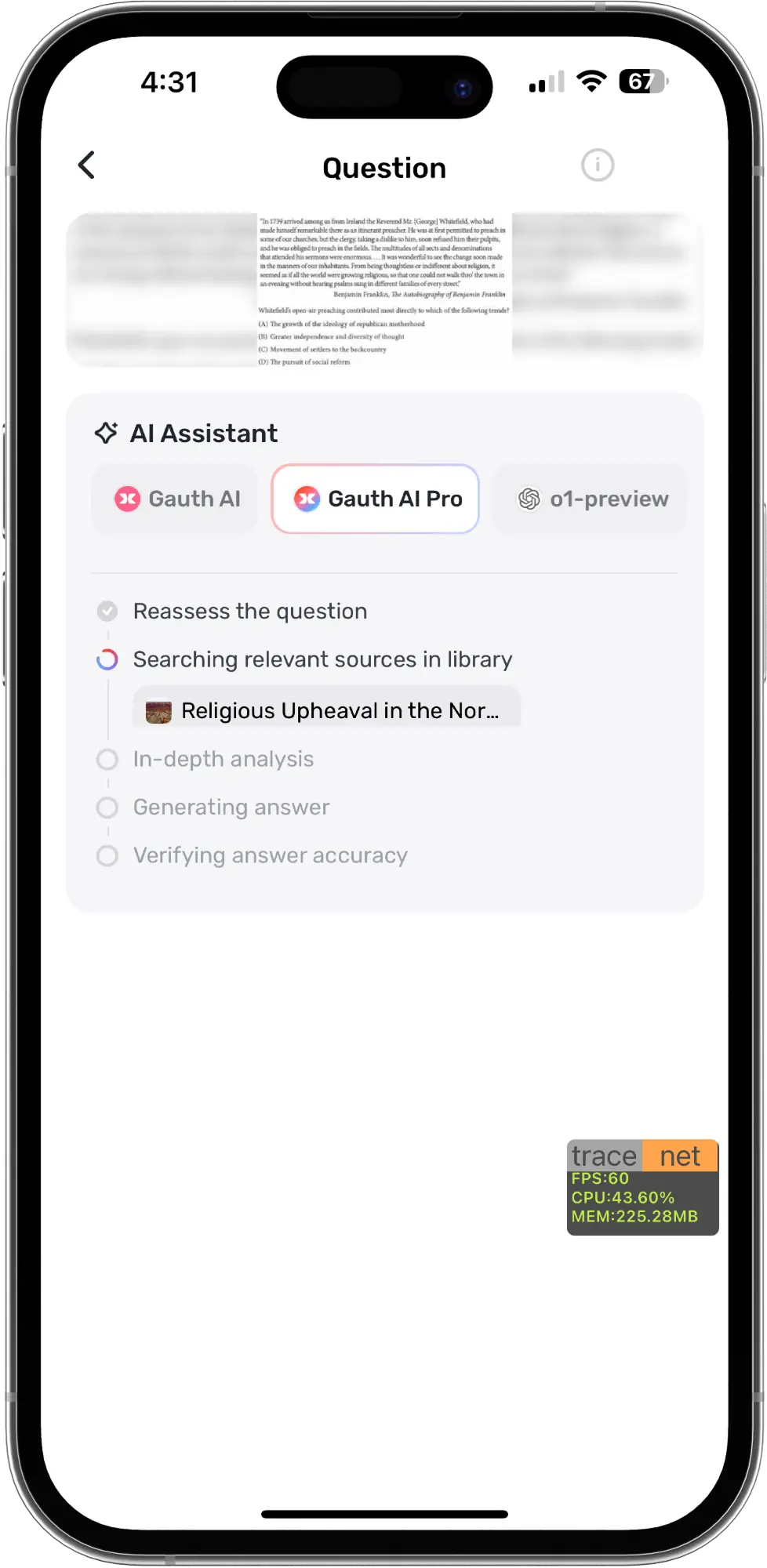
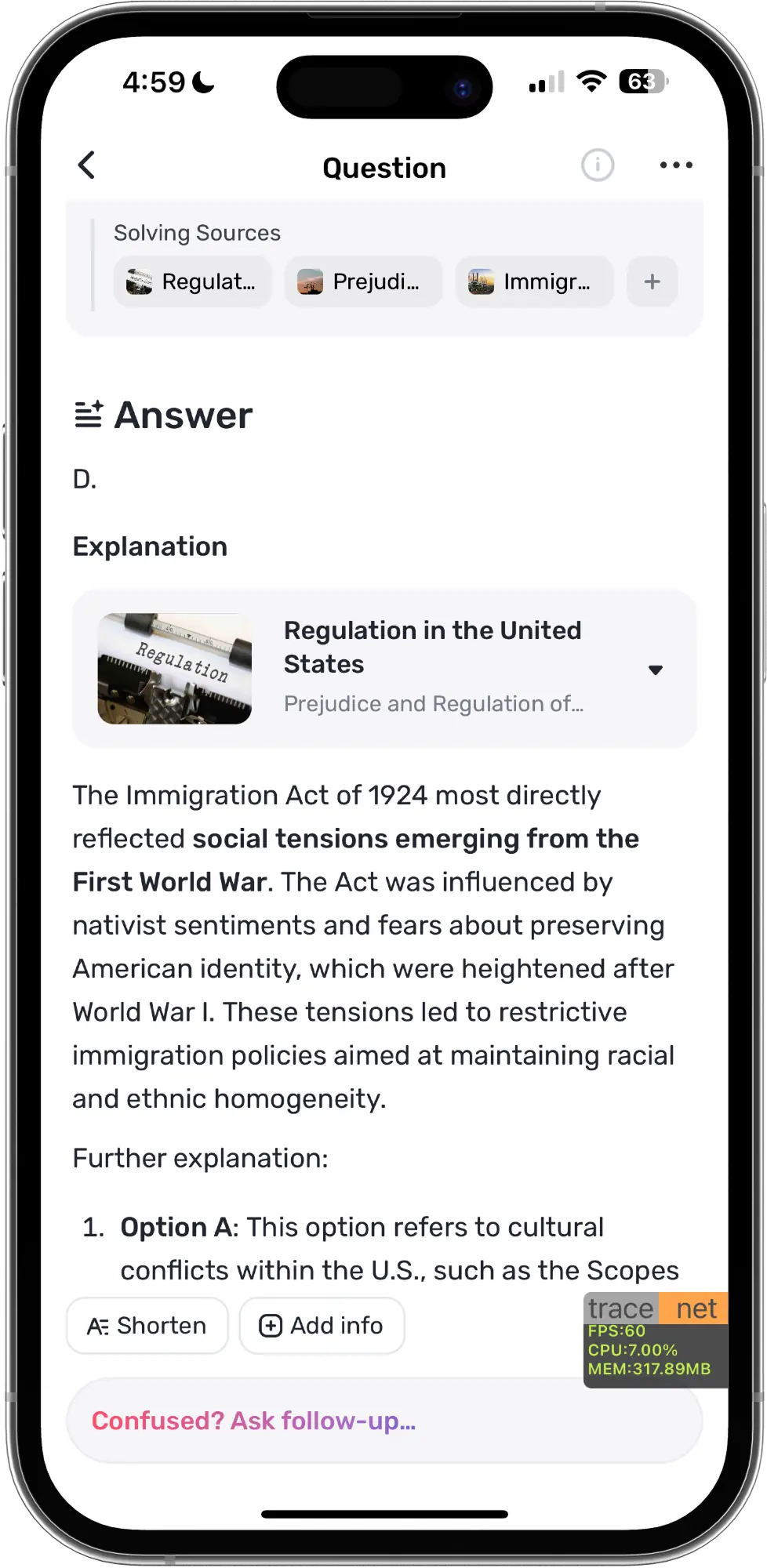
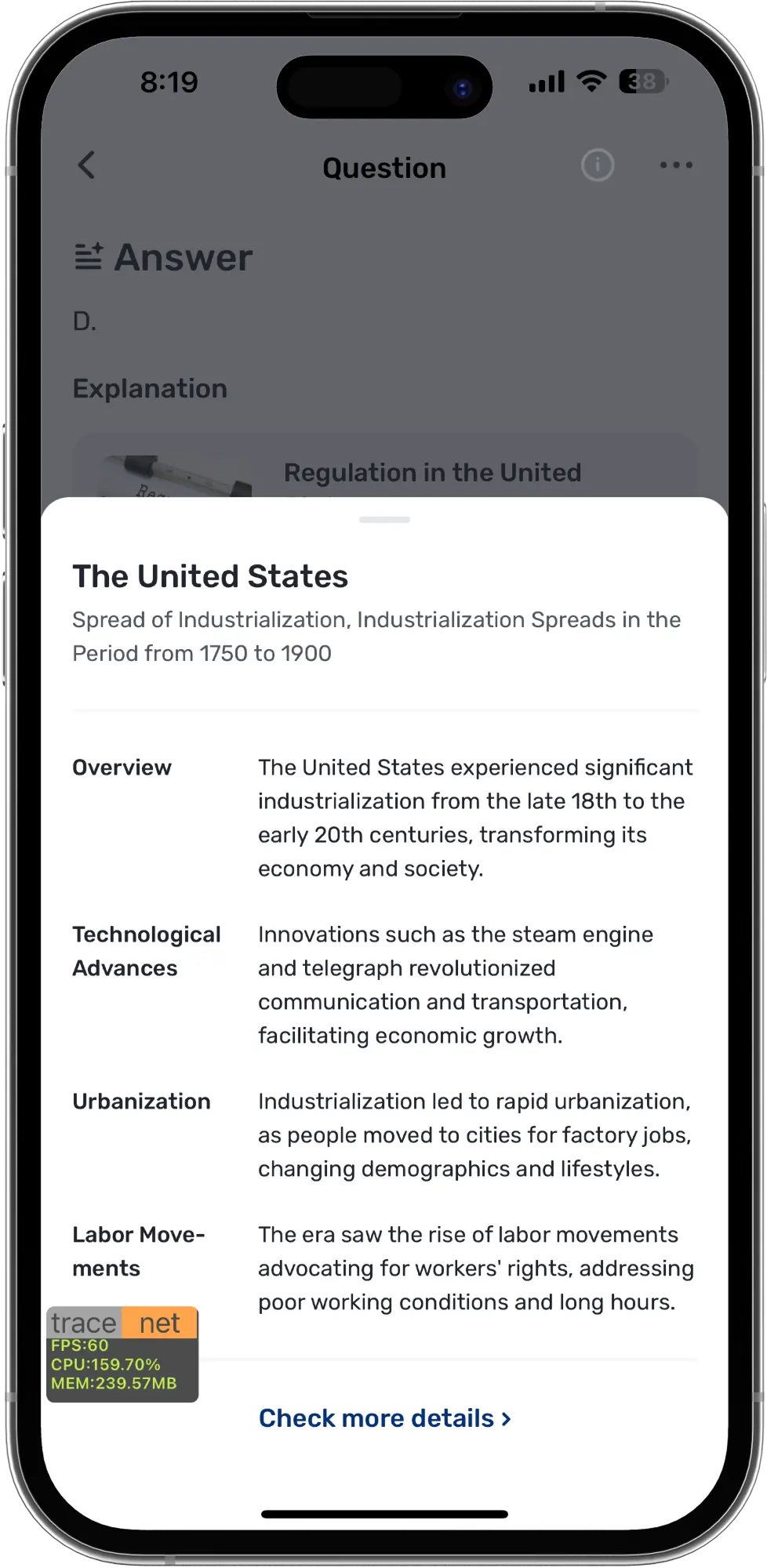
Students can open references and understand where an explanation comes from.
Guided breakdowns connect facts with the historical or conceptual background around them.
Concept-based Test Prep organizes ACT and SAT content around key topics, then provides reflective, step-by-step feedback after each mistake to strengthen comprehension and long-term confidence.
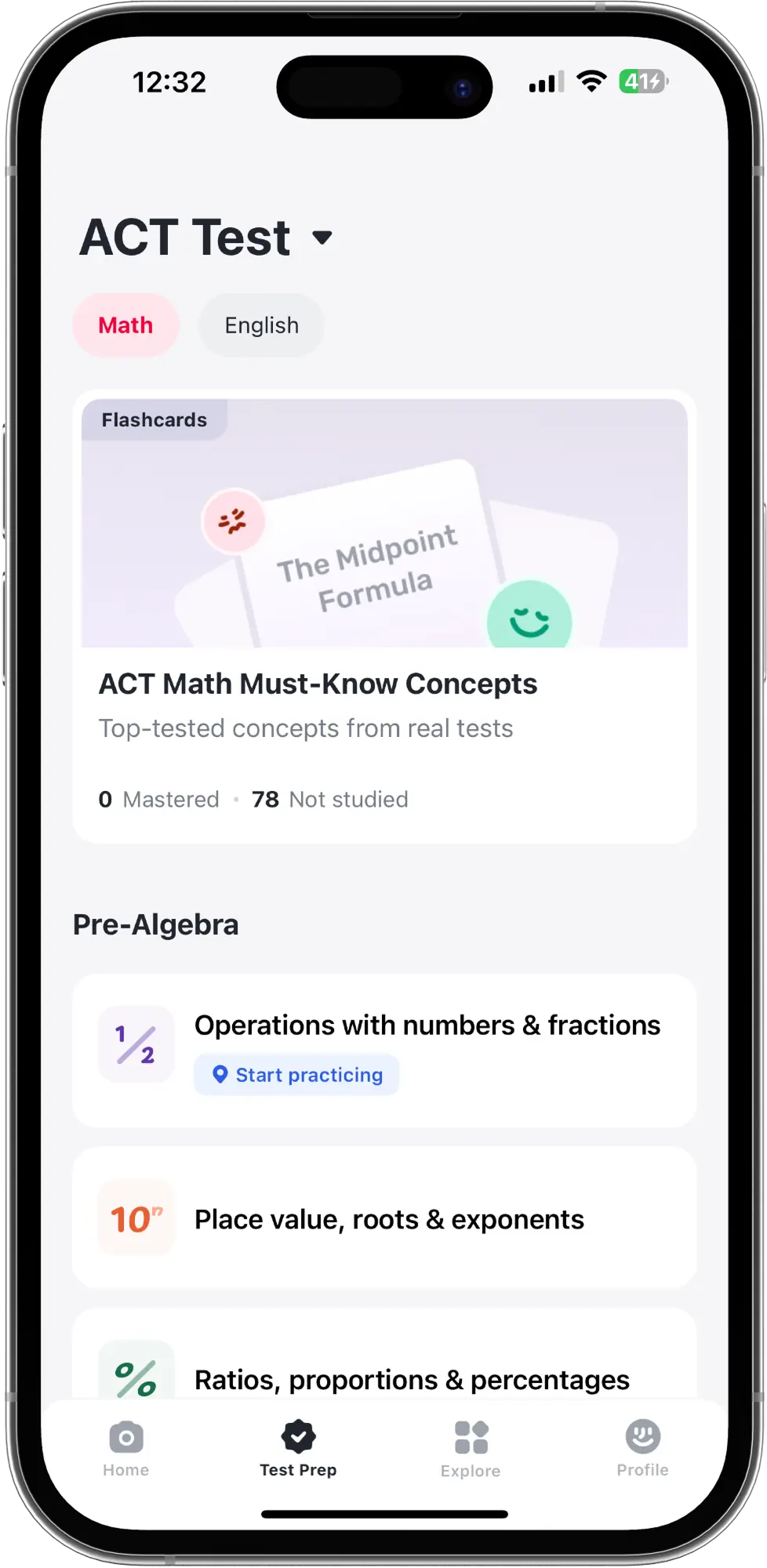
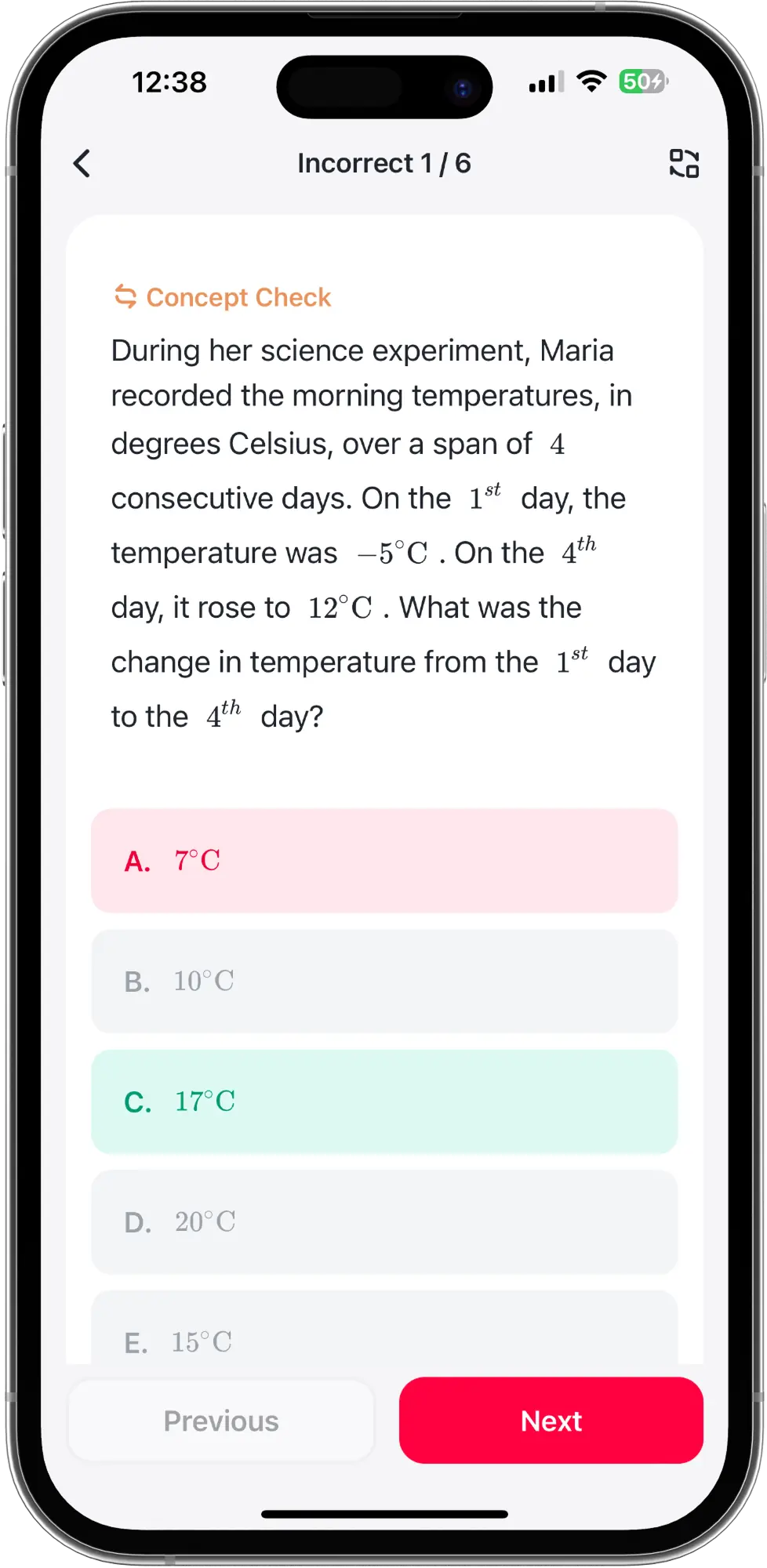
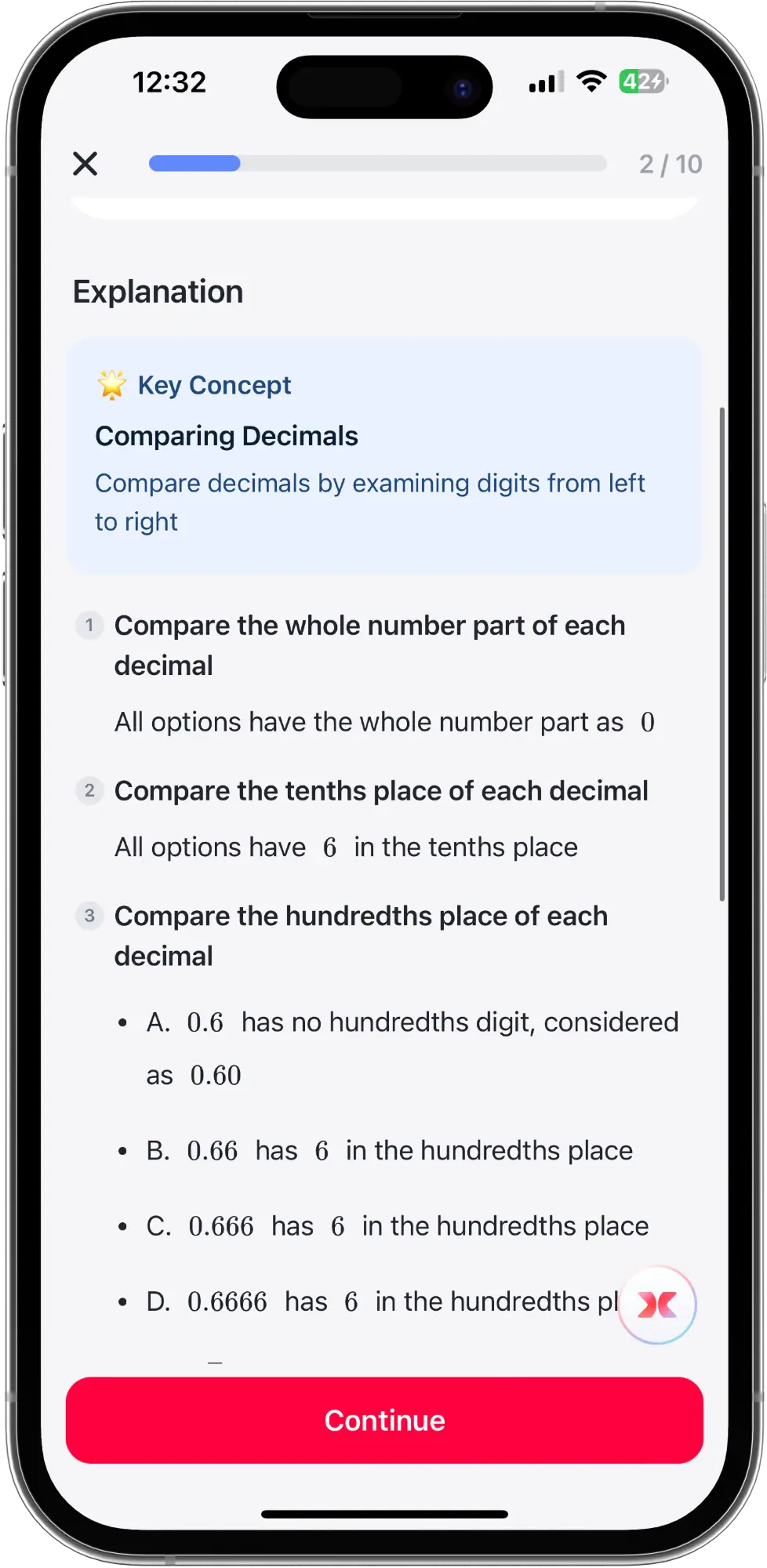
Clarifying why an answer is correct builds understanding instead of encouraging memorization.
Visible progress and supportive feedback create momentum when students feel stuck.
The work was presented across the team, translated into product requirements, and shipped as part of the next iteration.

I learned how students interact with educational tools and how to design for real learning contexts.
AI education products should support reflection and confidence rather than simply making answers faster.
Close collaboration with design, engineering, and product turned qualitative insight into aligned product decisions.