Horizontal scroll
Useful for preserving vertical space and showing that more media is available.

The experience needed a clearer relationship between text, images, video, and the space that holds them together. Inconsistent media patterns made rich answers harder to scan than they needed to be.
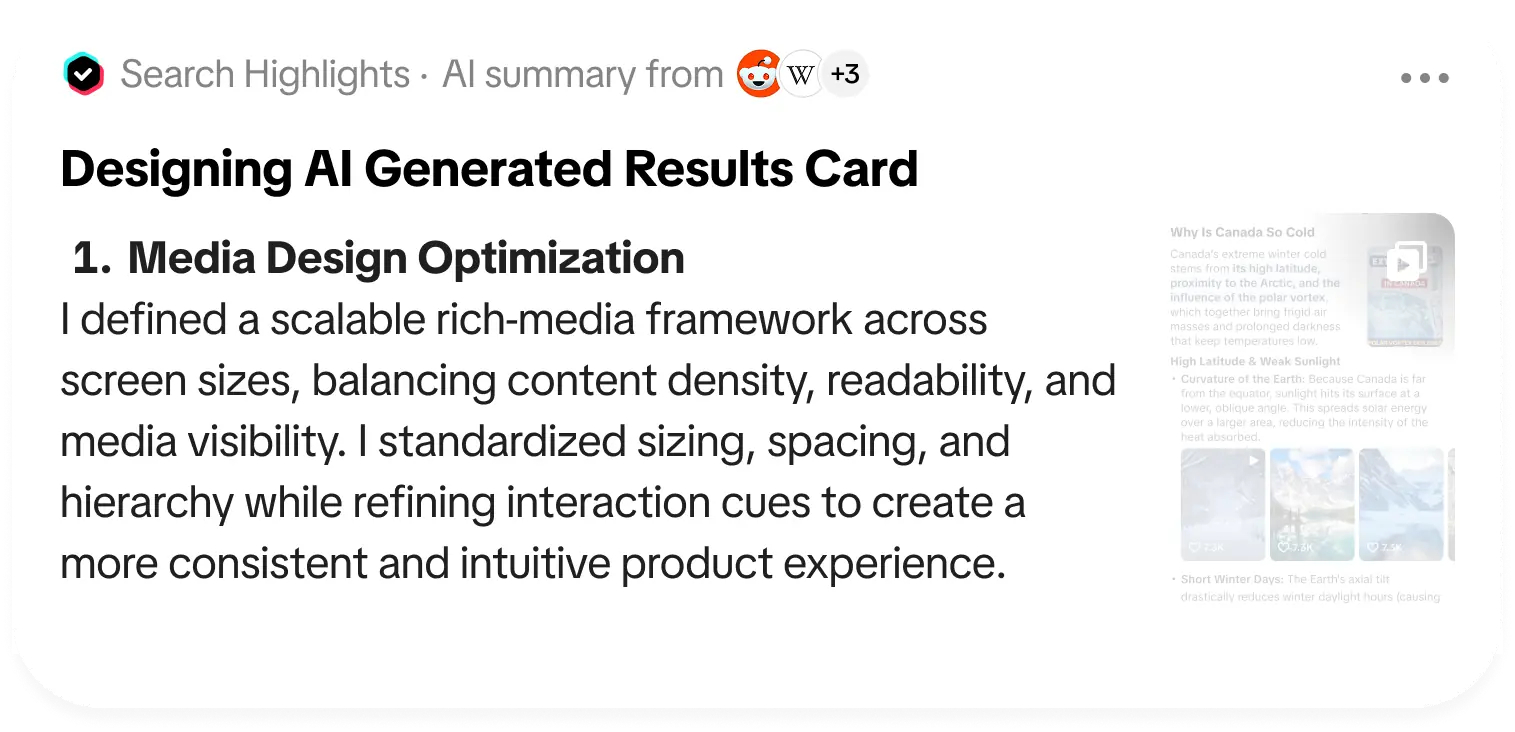
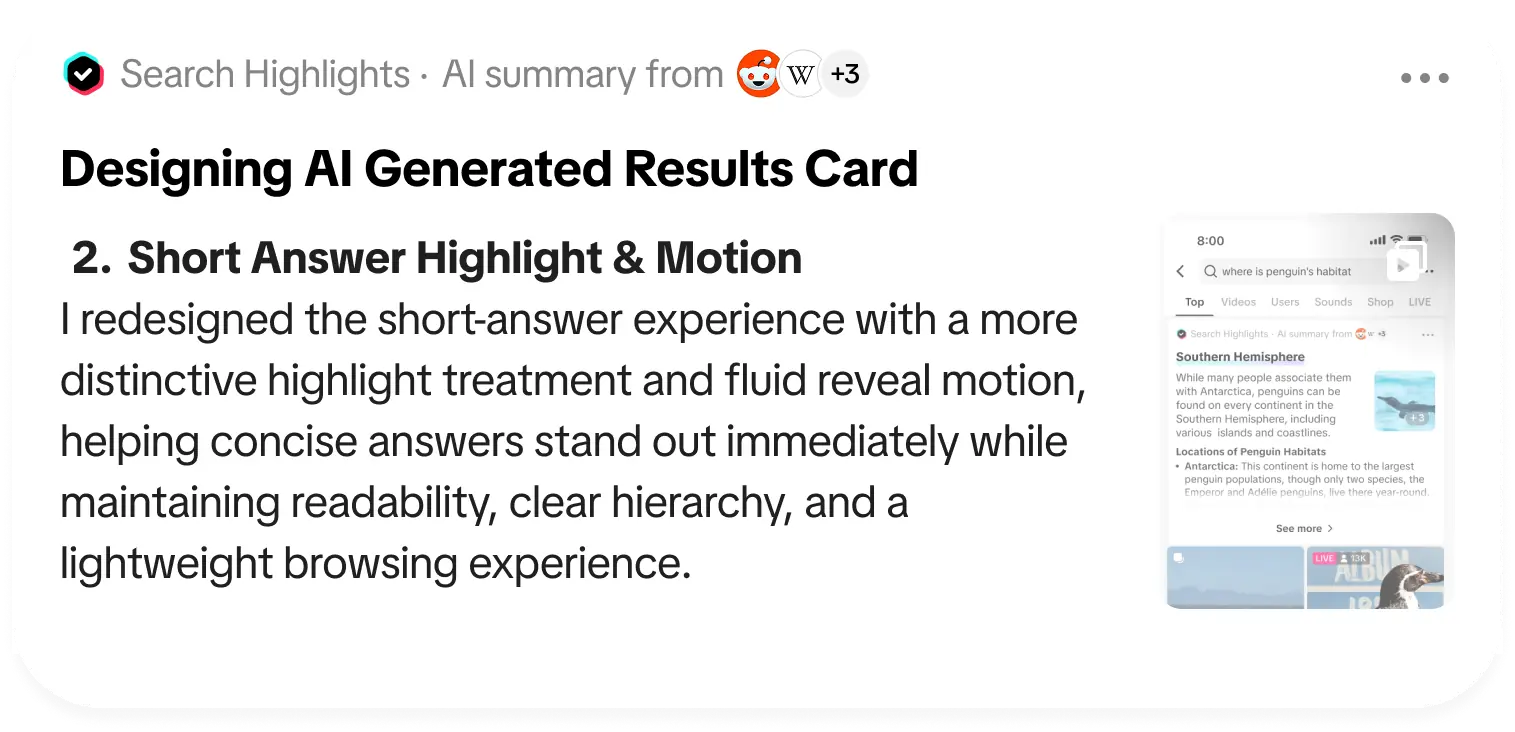

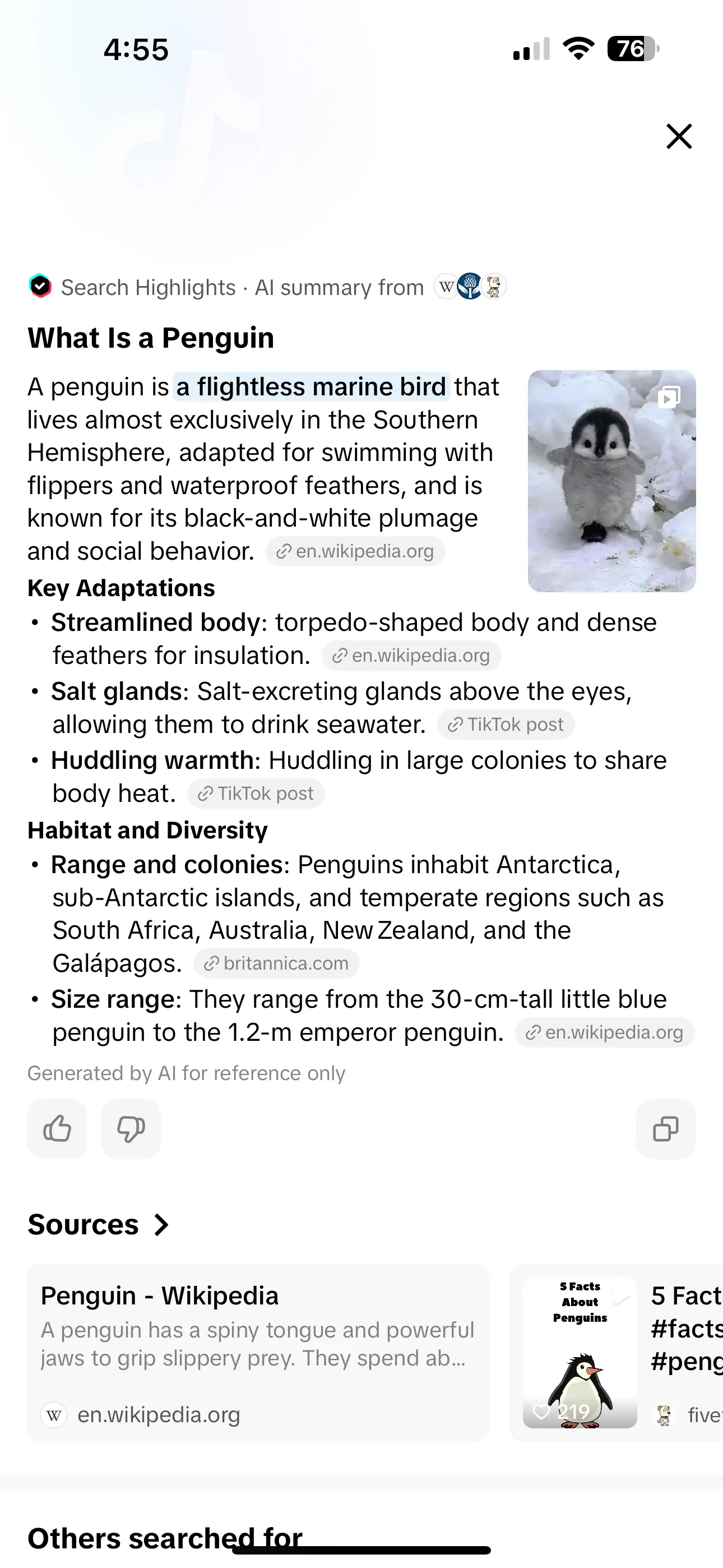

NDA note. The redesigned screens have not launched, so this case study shares my process and design principles without showing confidential final work.
Instead of jumping into polished screens, I first built a view of the existing components, content types, edge cases, and competing interaction patterns.
Low presentation efficiency, unused component patterns, and a weak media placement strategy.
Documented current patterns and the places where they broke down.
Compared major products to understand display efficiency and content-media coordination.
Grouped the problem around media consistency, whitespace, and interaction behavior.
The direction focused on unifying image and video containers while preserving enough breathing room for dense AI answers.
Useful for preserving vertical space and showing that more media is available.
Stronger visual emphasis and simpler scanning, with a larger vertical footprint.
I isolated variables such as container size and badge placement so the team could review and test specific decisions.
I owned TikTok Core Search iOS foldable-screen adaptation end to end, turning an ambiguous scope into a clear framework for active search and passive discovery. I identified edge cases that standard rules could not cover and proposed a systematic classification that gave engineering a clear implementation spec.
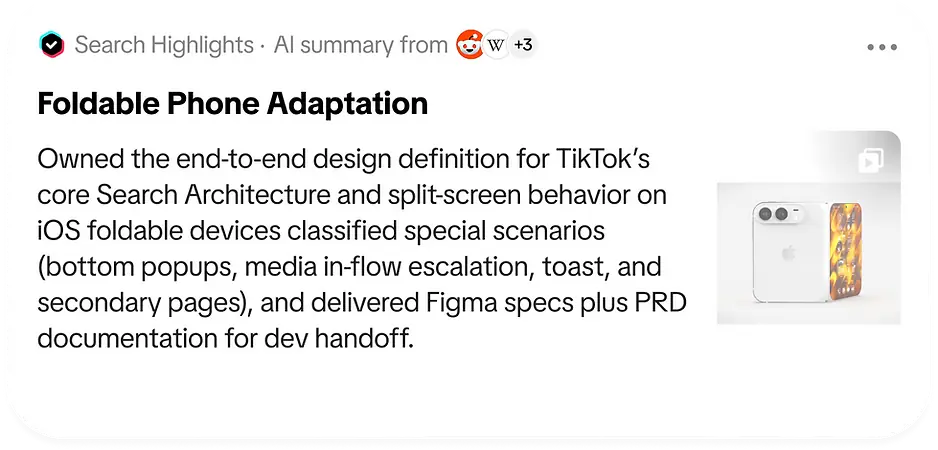
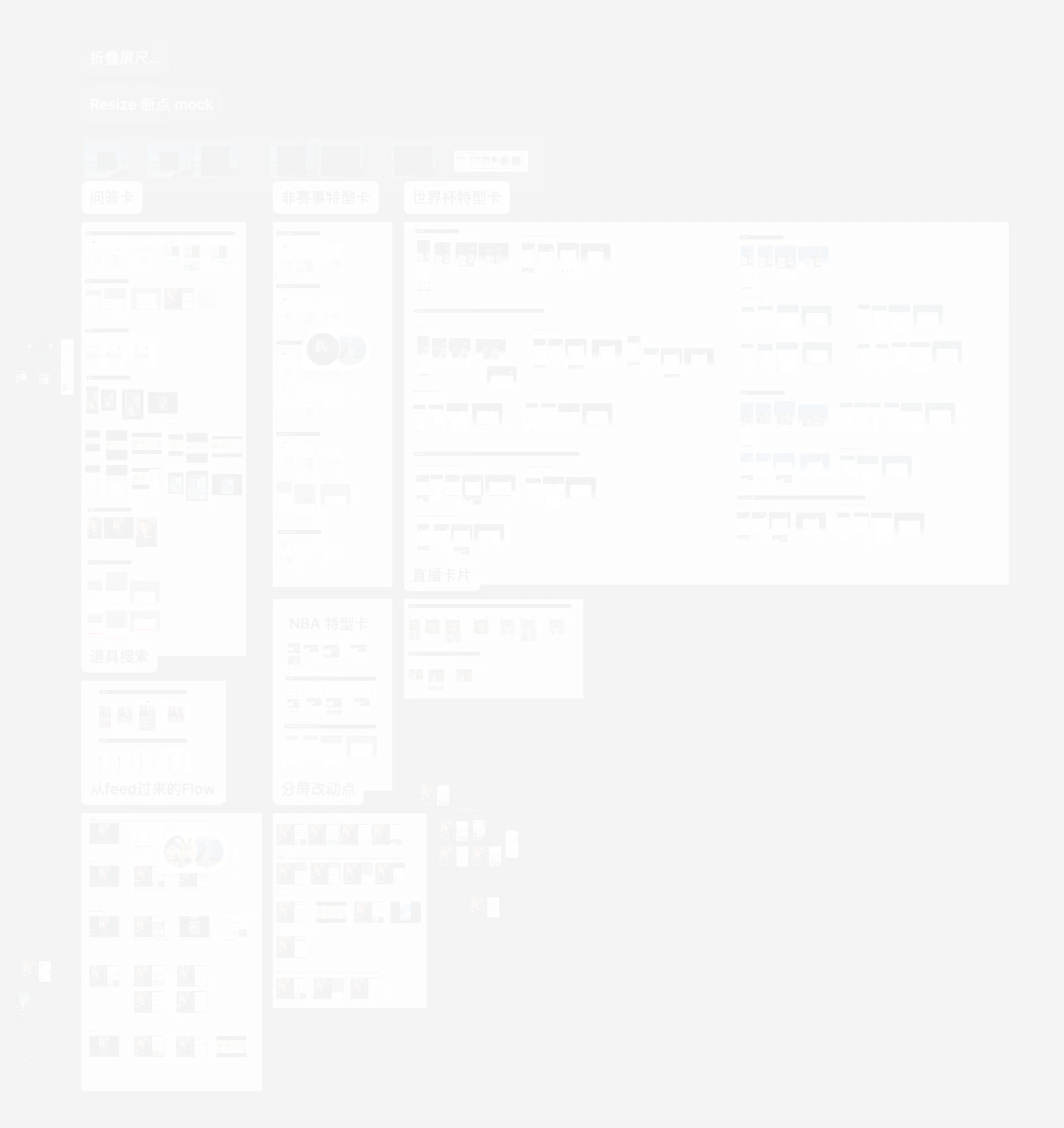
I delivered Figma specifications across multiple screen widths and a structured PRD, aligning design, product, and engineering with minimal back-and-forth.
This work is still in progress. Please email or Lark me for more details if you’re internal.

The visible interface was only the final layer. The real work was organizing component behavior, media rules, platform constraints, and edge cases into decisions the team could evaluate.